Reiki Contraindications: 5 Situations Needing Medical Clearance in the UK


Reiki is generally considered low-risk and non-invasive, with no reliable evidence that it harms the body directly. The main contraindication is not a medical condition but a decision: using Reiki instead of proper medical evaluation or treatment. Some circumstances, including pregnancy, breastfeeding and serious illness, call for a conversation with your doctor before you book a session.
TL;DR:
Reiki is safe and low-risk when used alongside proper medical care, but it should not replace diagnosis or treatment for serious or unexplained symptoms.
The therapy is generally considered safe during pregnancy and breastfeeding, but medical consultation is recommended due to limited evidence.
Patients managing cancer or serious illnesses must inform their healthcare team and avoid substituting Reiki for essential medical interventions.
Precautions include selecting experienced practitioners, requesting no-touch sessions if preferred, and ensuring informed consent and clear boundaries before treatment.
Research on Reiki’s efficacy remains limited and inconclusive, highlighting its supportive rather than curative role in health management.
Table of Contents
Who should take extra caution or avoid Reiki
Reiki works alongside conventional care rather than replacing it, and a handful of situations call for a pause before booking.
New or unexplained symptoms: chest pain, sudden weight loss or persistent fatigue need medical assessment first, not a healing session.
Active cancer treatment or recent surgery: Cancer Research UK is clear that Reiki cannot treat or cure cancer and should sit alongside, not instead of, prescribed treatment.
Serious heart conditions: anyone managing a cardiac diagnosis should have their treatment plan led by their cardiologist, with Reiki treated as an optional add-on.
Pregnancy and breastfeeding: evidence is limited enough that a clinician’s input matters before starting sessions.
Active mental health crises: suicidal ideation or psychosis need specialist intervention first; Reiki is not a substitute for urgent psychiatric care.
None of this means Reiki is dangerous in itself. Medical News Today notes that because Reiki involves no physical contact requirement and no substances, direct harm is unlikely. The risk lies in delay: choosing energy work over a diagnosis or treatment that could actually change an outcome.
Pregnancy and breastfeeding: evidence and practical precautions
Data here is thin but not alarming. A randomised controlled trial looking at Reiki in the third trimester found it increased breastfeeding self-efficacy and recorded no adverse events among participants.
One small trial found a meaningful improvement in breastfeeding confidence (mean difference 5.47, 95% CI 1.75 to 9.18) with no adverse events reported, though the study authors call for larger samples before drawing firm conclusions.
WebMD takes a more cautious line, rating Reiki as likely safe overall but noting there is not enough reliable data to confirm safety in pregnancy or breastfeeding, and recommends discussing it with a healthcare professional beforehand.
If you are pregnant or breastfeeding and want to try Reiki, a few steps reduce uncertainty:
Choose a practitioner experienced with pregnancy and postnatal clients.
Ask for a no-touch session if you would rather avoid physical contact.
Get sign-off from your midwife or obstetrician first if your pregnancy is high-risk.
Cancer, serious illness and the risk of delaying medical care
Cancer Research UK states that Reiki is generally safe for most people living with cancer, but it cannot prevent, treat or cure the disease, and patients should always tell their doctor about any complementary therapy they are using. The Cleveland Clinic frames the real safety concern the same way: Reiki itself is non-invasive, but using it in place of appropriate medical evaluation or treatment is where harm can occur, not from the therapy itself but from what it displaces.
For anyone managing cancer or another serious illness alongside Reiki, coordination matters more than caution alone:
Tell your oncology or specialist team you are using Reiki so they can flag anything relevant.
Schedule sessions around treatment days rather than as a replacement for appointments.
Keep monitoring symptoms as your medical team advises, and treat Reiki as support, not disease control.
Conventional treatment stays the priority for managing the disease itself; Reiki’s role is limited to comfort and wellbeing alongside it.
Session boundaries, consent and aftercare that keep you safe
Informed consent starts before you even book. Telling both your practitioner and your GP or specialist what you are doing lets everyone involved make better decisions, and it removes the risk of a practitioner unknowingly working against medical advice.
Decide your touch preference in advance. The Cleveland Clinic describes hands-on, light-touch and no-touch approaches as equally valid, so ask your practitioner which they offer and say clearly what you want.
Confirm the intake process. A proper session should start with questions about current diagnoses, medications, pregnancy status, recent surgery or any area where touch would be inappropriate.
Plan your aftercare. Rest, drink water, and keep an eye out for anything unusual once you leave; standard aftercare guidance covers this in more detail.
Watch for red flags. Walk away from anyone who claims Reiki cures disease, pressures you to stop medical treatment, or skips the intake conversation entirely.
Pro Tip: Ask your practitioner directly, “What happens if I don’t want to be touched?” before the session starts, not during it.
What the research and expert commentary actually show

Most Reiki research is small, variable in quality, and short on the kind of large, well-controlled trials that would settle the bigger questions. Some studies report benefits for relaxation, pain coping and, as noted above, breastfeeding confidence in a small trial with no adverse events.
No reliable evidence supports Reiki as a treatment or cure for any disease, a point Cancer Research UK makes plainly in its own guidance.
When you read a study or a practitioner’s claim, a few questions help you judge it fairly:
How many people were in the trial, and could the sample size support the conclusion?
What outcome was actually measured, and was it something concrete like breastfeeding confidence rather than something vague?
Did the study report on adverse events at all, or just on the benefits?
Was there a comparison group, and how wide was the confidence interval around the result?
Further reading on multi-session evidence covers how trial design affects what you can reasonably conclude.
How to decide whether to try Reiki: a short checklist
Work through this before booking anything.
Get medical clearance first if you have new, unexplained or serious symptoms.
Ask about the practitioner’s experience with your specific situation, whether that is pregnancy, chronic pain or serious illness.
Request a no-touch option in advance if you would prefer it, rather than negotiating it on arrival.
Plan your aftercare and any follow-up, including who to contact if something feels off.
Prioritise urgent medical care over a Reiki session whenever symptoms are acute or worsening.
Tell your care team you are using Reiki so everyone involved has the full picture.
If in doubt, medical evaluation comes first. Reiki works best as a supplement to that decision, not a replacement for it.
Author perspective: safety, consent and integrating energy work with clinical care

Paul Stebles offers Quantum Healing Hypnosis Technique combined with energy healing, and his sessions are designed to provide a calm, trauma-informed environment. Every intake covers medical history, current treatments, and what the client is comfortable with physically, because consent has to be established before any energy work begins, not assumed.
For clients undergoing medical treatment, the approach is to work alongside their care rather than in place of it: sessions are scheduled around appointments, boundaries around touch are agreed upfront, and anyone showing signs that need clinical attention is encouraged to speak with their doctor first.
— Paul
How Paul’s services may help you feel supported and safe
For those seeking a practitioner who prioritizes consent and medical coordination, Evolve Quantum Healing sessions offer Reiki-style energy work with a comprehensive intake process and options for no-touch sessions.
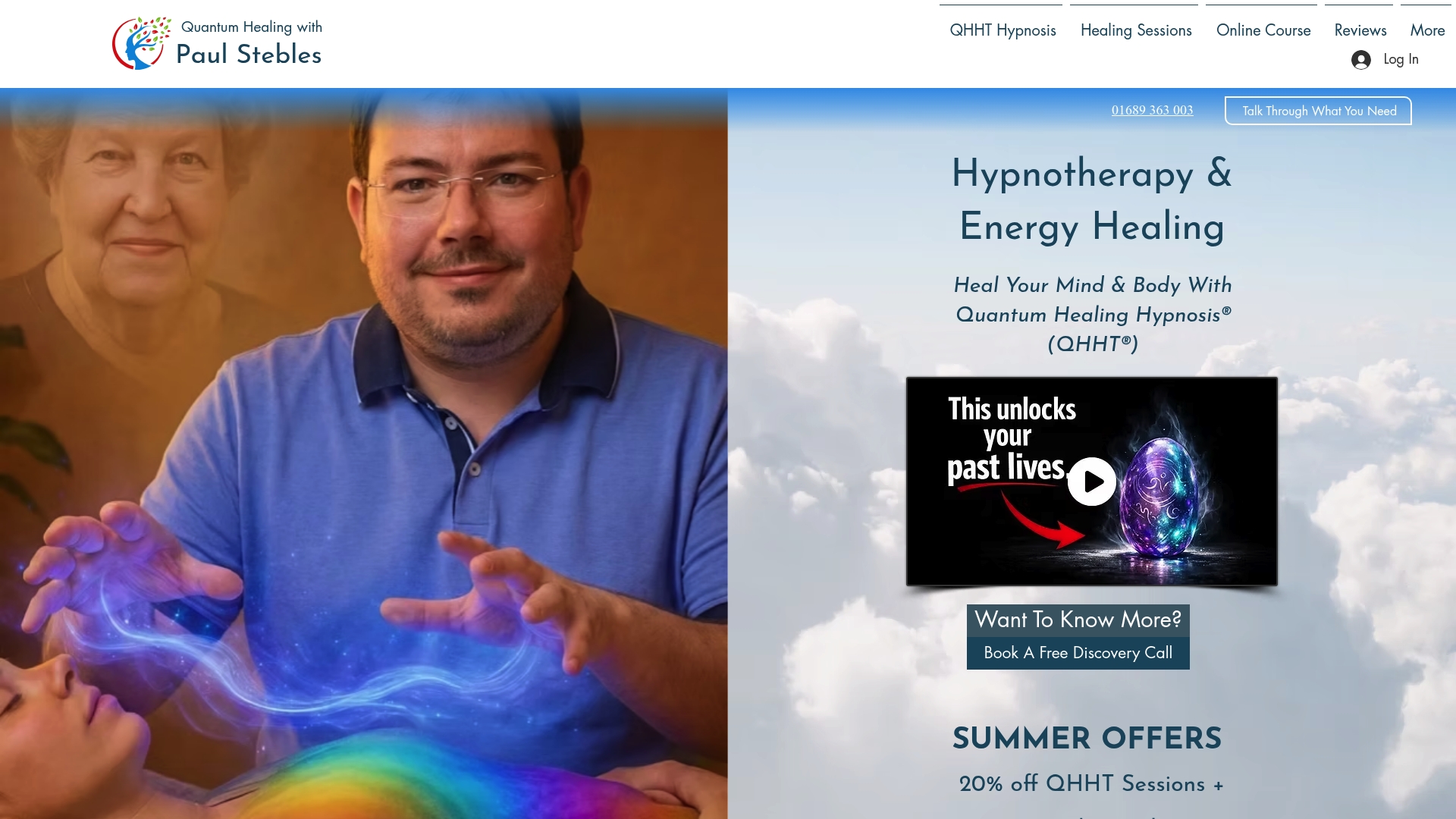
Sessions are available in person or remotely through Remote Evolve Quantum Healing, and both start with a conversation about your health history and what you want from the session. Questions about how energy work fits alongside your existing treatment are welcome before you commit to anything. Check availability or ask a question via the booking page.
Sources
For clinical questions specific to your situation, a coordinated approach between complementary and conventional care, as described by practitioners like Dr John DeCosmo, is worth discussing with your own doctor.
FAQ
Is Reiki safe for most people to try?
Reiki is generally considered low-risk because it involves no physical intervention or substances. The main safety concern is using it instead of medical evaluation or treatment rather than any direct harm from the therapy itself.
Can I have Reiki while pregnant or breastfeeding?
Evidence is limited, though a small randomised trial found no adverse events and an improvement in breastfeeding self-efficacy. WebMD recommends discussing Reiki with a healthcare professional first given the lack of robust safety data.
Should I tell my doctor if I’m having Reiki alongside cancer treatment?
Yes. Cancer Research UK advises telling your care team about any complementary therapy so treatment can be coordinated safely and misunderstandings avoided.
Does Reiki require physical touch?
No. Practitioners commonly offer hands-on, light-touch and no-touch formats, and the Cleveland Clinic recommends agreeing your preference before the session starts.
What are the warning signs of an unsafe Reiki practitioner?
Be cautious of anyone claiming Reiki can cure a disease, pressuring you to stop medical treatment, or skipping a proper intake conversation about your health history. A safe practitioner always treats Reiki as complementary to, not a replacement for, conventional care.
Recommended
Comments