6–8 Week Trial: Reiki for Physical Pain in the UK

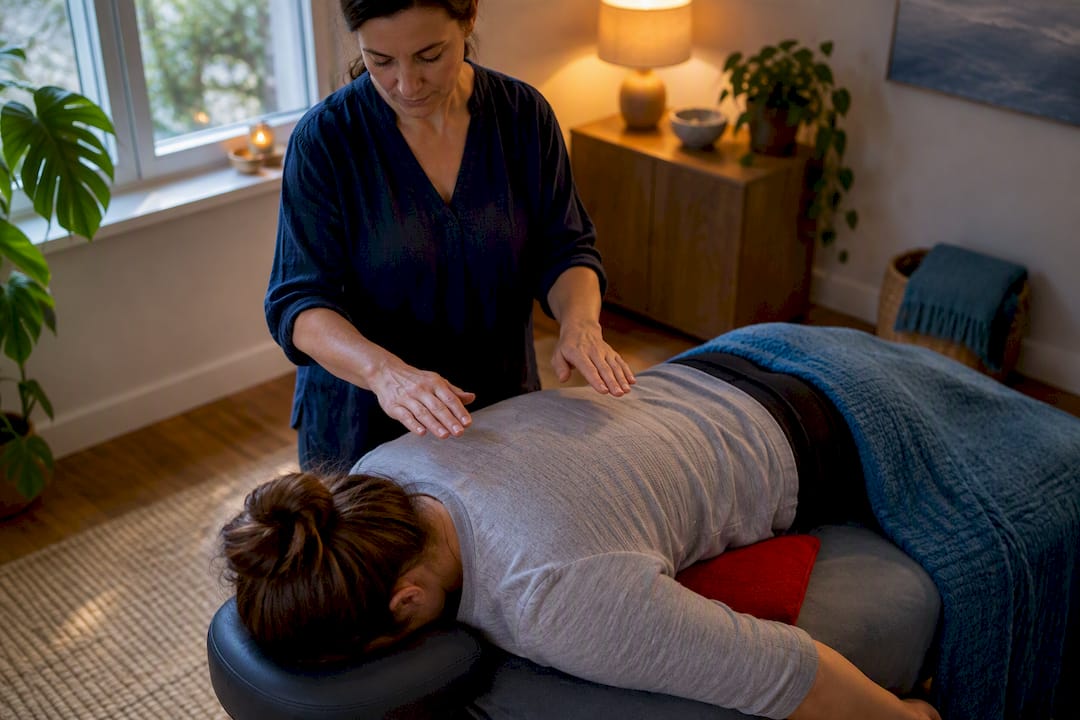
Reiki can ease physical pain for some people, mainly by lowering anxiety and triggering a deep relaxation response, but the clinical evidence is mixed and modest at best. It should sit alongside, never in place of, medical treatment. Anyone with new or worsening pain needs proper investigation first; Reiki works best afterwards, as a way to calm the nervous system and take the edge off day-to-day discomfort.
TL;DR:
Reiki provides modest pain relief primarily by promoting relaxation, reducing anxiety, and improving sleep, but it is not a proven cure for underlying conditions.
Evidence from studies varies widely, with some showing small improvements and others finding no benefit, highlighting the need for larger, standardized trials.
A typical clinical approach involves a 6 to 8-week course of weekly sessions, regular tracking of pain and mood, and adjusting techniques based on progress.
Safety is high, but Reiki should never replace urgent medical investigation for severe or worsening pain marked by red flags like numbness or unexplained weight loss.
Choose practitioners who are transparent about experience, work alongside healthcare providers, and avoid anyone promising guaranteed cures or asking you to stop prescribed treatment.
Table of Contents
What is Reiki, and why do people use it for physical pain?
Reiki is a hands-on energy therapy in which a practitioner places their hands lightly on or just above the body in a sequence of positions, aiming to promote relaxation and support the body’s own healing response. Sessions typically run 45 to 60 minutes, with the practitioner working through the head, torso and limbs. Distant Reiki, where the practitioner works without being physically present, follows the same intention and structure and is used when travel or mobility is a barrier.
Nobody has proven exactly how Reiki might reduce pain, but the plausible mechanisms are well understood in their own right:
A genuine relaxation response, which lowers muscle tension and cortisol levels
Reduced anxiety and low mood, both of which amplify how pain feels
Better sleep, which affects pain sensitivity the next day
Non-specific effects: attentive, calm human contact and the placebo response, which is real and measurable even when the “active ingredient” is debated
Practitioner skill and consistency, which seems to matter more than any single technique
People typically try Reiki for chronic back pain, osteoarthritis, neuropathy, and post-operative discomfort. None of these conditions responds to Reiki as a cure. What tends to shift is how the pain is tolerated day to day, not the underlying pathology.
What does the research actually show?
The honest summary: modest average pain reduction, huge variation between studies, and nowhere near the consistency you’d want before calling this proven.
A 2008 systematic review of touch therapies including Reiki pooled over a thousand participants. People who received touch therapy scored, on average, a small but measurable amount lower on a 0 to 10 pain scale than those who didn’t, and the review flagged serious concerns about study quality.
A literature review of randomised trials calculated effect sizes for pain and anxiety across seven qualifying trials and found them ranging from small to very large. That spread is the story: the same therapy, tested differently, produces wildly different results depending on trial design and practitioner experience.
Not every trial finds benefit. A well-designed 2008 RCT in fibromyalgia gave 100 adults twice-weekly sessions of Reiki, touch therapy, or a sham treatment over eight weeks. No difference emerged between groups on pain or any secondary outcome.
The pattern in numbers: pooled touch-therapy studies show roughly a 0.83-point drop on a 10-point pain scale, while individual trial effect sizes swing from negligible to very large depending on design and practitioner skill.
More recent, condition-specific work tells a better story in places. A 2024 trial in knee osteoarthritis found statistically significant reductions in pain and function scores against physiotherapy and other comparators. Reviewers keep repeating the same caveat: protocols vary, samples are small, and larger, standardised trials are overdue.
How is Reiki actually used for physical pain?
Most clinical use follows a structured course rather than a one-off session, because a single hour rarely tells you much about lasting benefit.
Book an initial course, not a single session. Clinical practice commonly uses a 6 to 8 week trial of weekly appointments, long enough to judge a genuine trend rather than one good or bad day.
Track a baseline before you start. Rate your pain 0 to 10 before the first session, and note sleep quality and anxiety levels too.
Re-score after each session. Some studies use single pre and post-operative sessions rather than a course, so match your tracking to what you’re actually testing.
Review at the halfway point. If nothing has shifted by session four, discuss adjusting frequency or technique with your practitioner rather than persisting blindly.
Try short self-Reiki between sessions. Rest a hand over the painful area or your chest for five to ten minutes in a quiet moment, breathing slowly, purely to extend the relaxation habit.
Distant Reiki works the same way logistically, minus the travel: a scheduled time, the same intention-based hand positions worked remotely, and a call or message afterwards to discuss what came up. A quasi-experimental study on people with phantom limb pain after amputation reported reduced pain and improved well-being using exactly this remote format, useful evidence for anyone whose mobility rules out in-person visits.
Pro Tip: Keep your pain diary simple: one number, one line about sleep, one about mood. Overcomplicating the tracking is the main reason people give up on judging whether Reiki is actually helping.
How do you choose a safe, competent practitioner?
Ask direct questions before booking, the same way you would before trying any new complementary therapy:
How long have you worked specifically with pain clients, and what does a typical course look like?
What’s the session length and format, hands-on or distant, and how many sessions before we review progress?
Do you carry insurance, and have you had supervision or ongoing training?
Will you liaise with my GP or physiotherapist if I ask you to?
Walk away from anyone who promises a guaranteed cure, tells you to stop prescribed medication, or is vague about pricing and aftercare. Genuine practitioners welcome scrutiny: look for documented case studies, a clear protocol they can explain in plain terms, and a stated willingness to work alongside your existing NHS or GP care rather than instead of it.
Is Reiki safe, and when should you see a doctor instead?
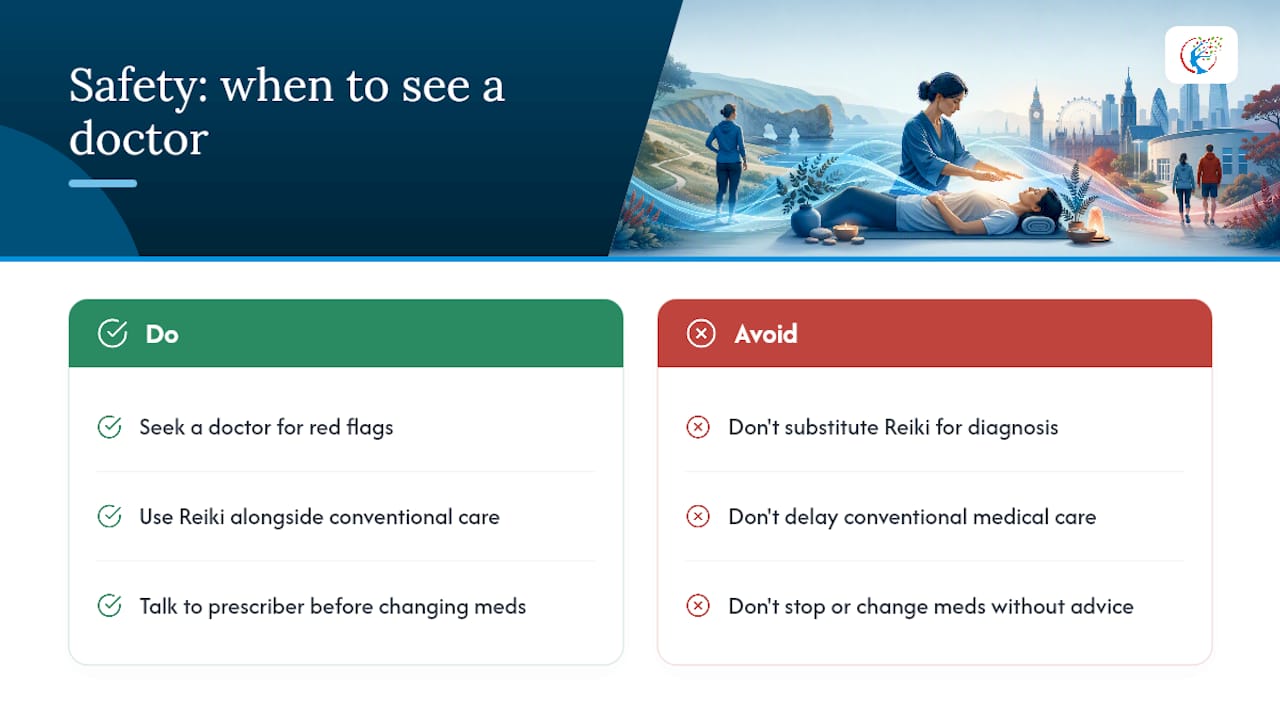
Reiki carries very low physical risk. It involves no manipulation, needles, or medication, which is precisely why it’s not a substitute for diagnosing what’s actually causing your pain.
See a doctor promptly, not a practitioner, if you notice sudden severe pain, pain accompanied by fever, any new numbness, weakness or loss of bladder or bowel control, or unexplained weight loss alongside the pain. These are red flags for something that needs proper investigation, not relaxation. And before changing any prescribed medication or treatment plan on the strength of how a Reiki session made you feel, talk to whoever prescribed it. Reiki sits comfortably alongside conventional care; it should never be the reason you delay it.
A clinician’s approach: how Paul Stebles applies Reiki to pain cases
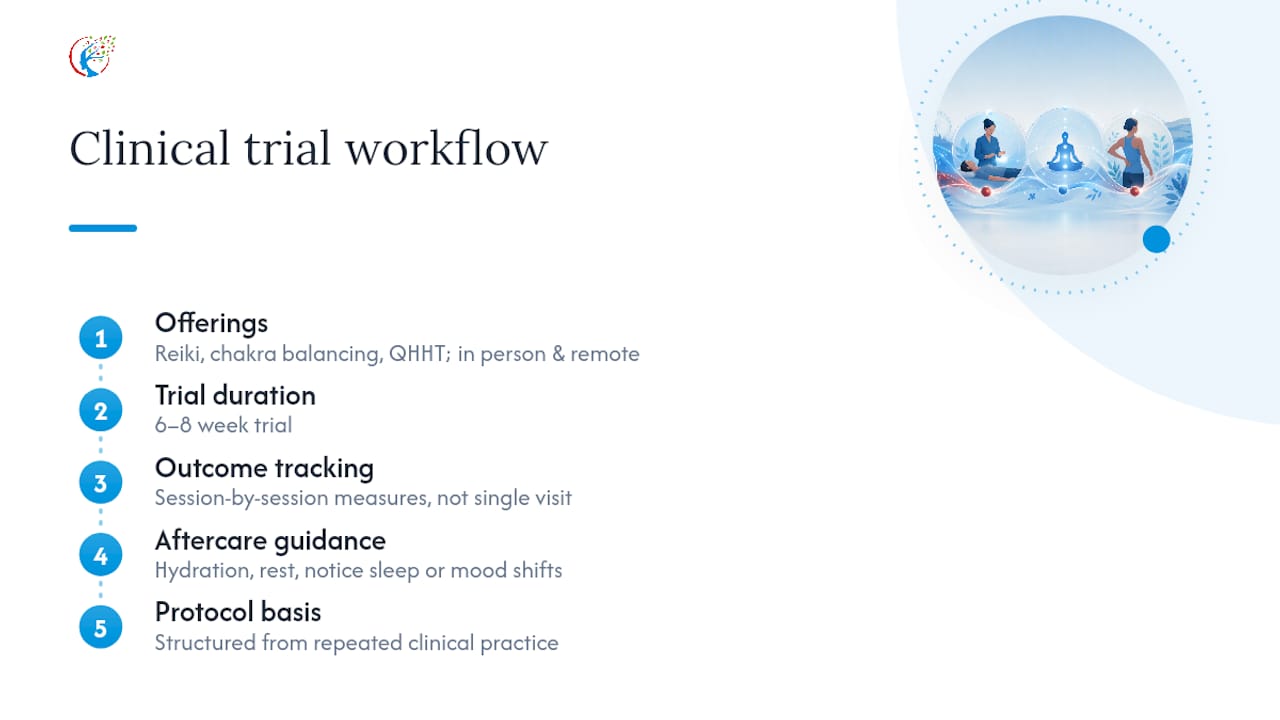
A practitioner might work with Reiki as one part of a wider energy healing practice that may include chakra balancing and Quantum Healing Hypnosis Technique, offered both in person and remotely. For pain and chronic conditions specifically, the clinical approach favours a 6 to 8 week trial structure, tracking outcomes session by session rather than judging benefit on a single visit.
Aftercare matters as much as the session itself. Clients are guided through what to expect afterwards, hydration, rest, noticing shifts in sleep or mood, following a structured protocol built from repeated clinical practice rather than guesswork. If you want to see how this plays out in practice, the case studies and client testimonials on the site lay out real examples of how the trial approach has been used for ongoing pain and autoimmune support.
— Paul
Ready to try Reiki for pain support?
If you’ve read this far weighing up complementary options against the usual advice to just “wait and see,” here’s the practical route: Energy healing sessions that incorporate Reiki, such as Evolve Quantum Healing and Remote Evolve Quantum Healing, are available with pricing details provided on the practitioner’s website.
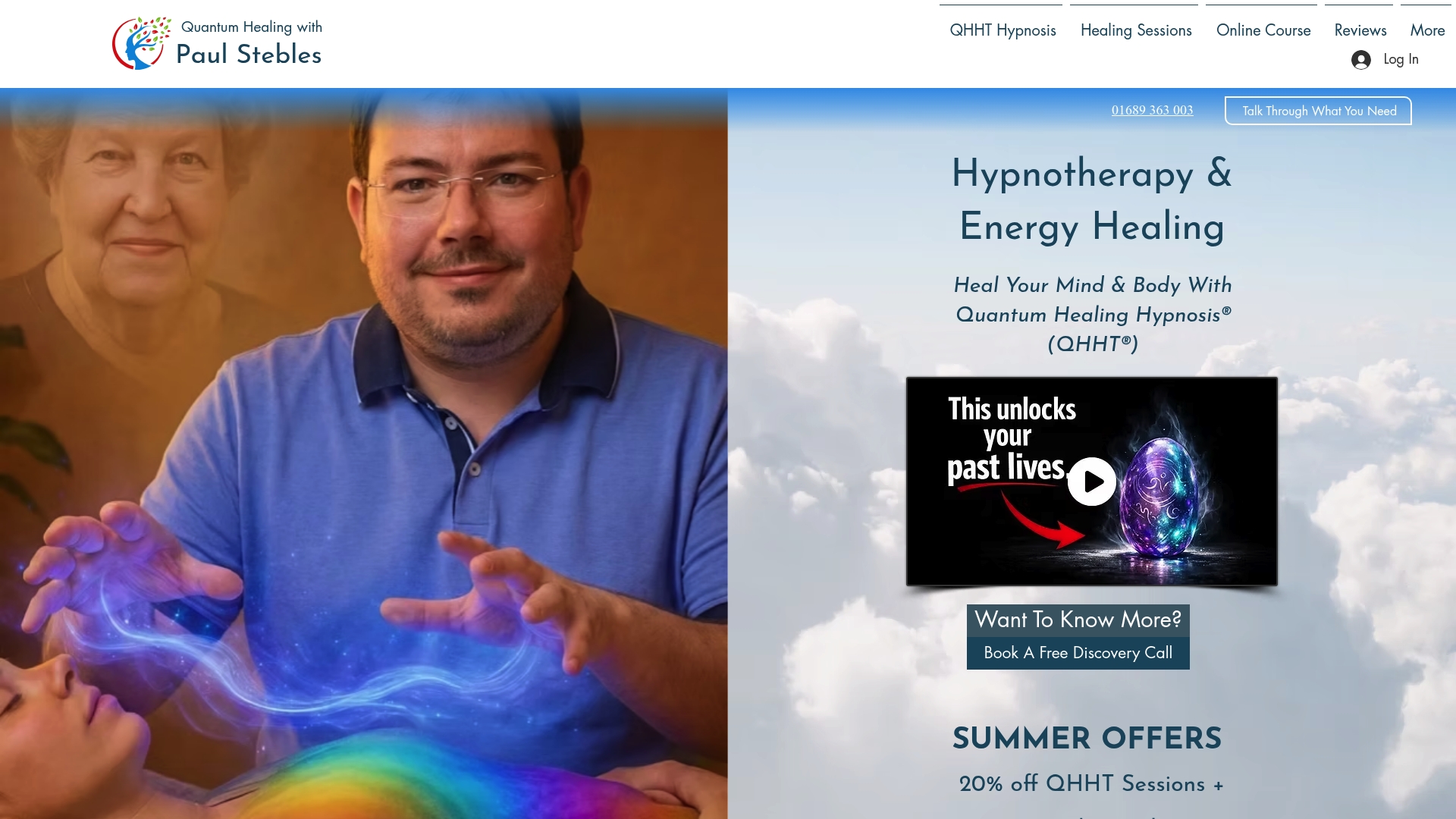
A first appointment starts with a conversation about your pain history, what you’re hoping to track (pain scale, sleep, anxiety), and whether a single session or a short course makes more sense for your situation. Sessions combine Reiki with chakra balancing and other energy work rather than following a rigid single-technique script, and if a deeper subconscious approach appeals to you, Quantum Healing Hypnosis Technique sessions are also available for those wanting to explore emotional or spiritual roots alongside the physical picture. You can book a session directly or read through the energy healing FAQ first if you have questions about format, duration, or what to expect before committing.
Sources
FAQ
Does Reiki work for physical pain?
For some people, yes, mainly through relaxation and reduced anxiety rather than any direct physical mechanism. A systematic review of touch therapies found an average 0.83-point reduction on a 10-point pain scale, though results vary considerably between studies and conditions.
Can I get pain reprocessing therapy through the NHS?
Pain reprocessing therapy and Reiki are different approaches, and NHS availability for either varies widely by region and depends on referral pathways through your GP or pain clinic. Reiki itself is rarely NHS-funded and is typically accessed privately as a complementary option alongside conventional treatment.
How do you endure physical pain day to day?
Most people manage better with a combination of approaches: paced activity, sleep protection, stress reduction, and staying engaged with prescribed medical treatment rather than relying on any single method. Complementary practices like Reiki can support the relaxation side of that equation, but they work best as an addition, not a replacement.
What kind of exercise can help with body pain?
Gentle, consistent movement, walking, swimming, or targeted physiotherapy exercises, tends to help chronic pain more than complete rest, which can worsen stiffness and low mood over time. Always check with a physiotherapist or GP before starting a new exercise routine if your pain is severe or recent.
Recommended
Comments