What is trauma release energy in QHHT and energy healing?


Trauma release energy in this context refers to the emotional and physical shifts clients experience when Quantum Healing Hypnosis Technique reaches the subconscious mind, and Reiki-based energy work clears what it finds there. It’s not a fringe idea. Most people who book a QHHT session with energy healing report a mix of emotional release, sharper insight into old patterns, and sometimes physical relief that follows the energetic realignment. The rest of this article walks through how that happens, what a session actually involves, and how to choose a practitioner you trust.
TL;DR:
Trauma release energy during QHHT involves deep trance conversations with the Higher Self and Reiki-based energy work, leading to emotional and physical shifts.
Sessions typically last three to five hours, including regression, energy healing, and a detailed debrief, with recordings to support ongoing integration.
Most clients experience emotional release, increased spiritual clarity, and physical relief, but consistent practice and follow-up are necessary for lasting change.
Energetic support is layered on the hypnosis, but not trauma-focused bodywork; practitioners prioritize pacing, consent, and safety, especially for clients with psychiatric conditions.
Choosing a practitioner requires asking about experience with trauma work, session details, follow-up support, and ensuring trust through clear communication and professionalism.
Table of Contents
What “trauma release energy” means in QHHT and energy healing
Quantum Healing Hypnosis Technique, or QHHT, puts a client into a deep trance state where the practitioner guides a conversation with what’s often called the Higher Self, the part of the subconscious mind believed to hold the root causes of recurring emotional or physical trouble. That conversation is where the release happens. QHHT accesses the client’s Higher Self during deep trance to surface why an issue exists, and that surfacing itself can trigger a felt sense of release.
Energy healing extends the work. Reiki, chakra clearing, cord cutting and timeline healing are commonly layered in to support what the trance uncovers, deepening emotional and spiritual release rather than leaving it purely cognitive.

Worth being clear about scope: this isn’t somatic trauma release, the shaking and breathwork techniques used in body-based therapy. QHHT works through hypnosis and energy work, not physical tremoring.
How a QHHT and energy-healing session actually unfolds
Every session follows a broad structure, though the pacing adjusts to what comes up on the day.
Intake and safety check. You’ll talk through your history, intentions and any concerns before trance begins. Paul uses this stage to screen for suitability and set expectations.
Induction. A guided relaxation eases you into a trance state deep enough for regression work, usually over 20 to 30 minutes.
Regression and exploration. You may revisit a past life, a childhood memory, or another scene the subconscious selects. This part is client-led, not scripted.
Higher Self dialogue and energy work. The practitioner asks direct questions on your behalf, and this is typically where energetic release and physical guidance happen, often including a body scan.
Gentle return and debrief. You come out of trance slowly and talk through what surfaced while it’s fresh.
A few practical notes:
Sessions run long, often three to five hours, because trance and regression cannot be rushed.
Most practitioners record the full session, since replaying the dialogue supports integration in the weeks after.
Remote sessions work for the hypnosis and dialogue portions; some energy-healing elements are easier delivered in person, though both formats are offered.
What benefits do people typically report?
Outcomes vary by person, but three patterns show up again and again.
Emotional release. Long-held grief, anger or fear often loosens during the Higher Self dialogue, sometimes within a single session.
Spiritual clarity. Many clients describe a stronger, more confident connection to their own intuition afterwards, and a clearer sense of purpose.
Physical shifts. Some report reduced tension, better sleep or eased chronic discomfort once the energetic blockage behind it has been addressed.
Practitioners generally frame QHHT insight paired with ongoing practices like meditation or group energy work as the surest path to change that lasts, rather than treating one session as a fix. Speed of change differs enormously from client to client. Some people feel the shift immediately; others need a second session, or the follow-up practices below, before the full effect settles in.
Is QHHT and energy healing safe for you?
QHHT suits people looking for insight, past-life exploration and deep emotional release, but it isn’t the right first step for everyone. Practitioner guidance is consistent that anyone dealing with active psychosis, unmanaged suicidal intent, or another acute psychiatric condition should be working with a medical or mental health professional first, alongside or instead of energy work.
A properly trained practitioner manages the rest through pacing, not force:
Checking in throughout trance rather than pushing through distress.
Slowing the induction or pausing regression if intensity spikes.
Grounding you thoroughly before you leave, so you’re not walking out mid-process.
Getting clear consent for what will be explored and how the recording is used.
Keeping session content confidential as a matter of professional duty.
Pro Tip: If you’re currently under psychiatric care, mention it during intake rather than after booking. A good practitioner will want to know, not to gatekeep you out, but to pace the session around it.
Choosing a practitioner: what to check and what to ask
Not every QHHT practitioner works the same way, so a bit of vetting before you pay a deposit saves disappointment later.
Ask how many trauma-focused sessions they’ve facilitated, not just total client count.
Ask exactly what’s included: session length, whether energy healing is bundled or separate, and the fee.
Confirm you’ll get a recording, and how long you can access it.
Ask what follow-up support looks like if something needs revisiting.
Check how they handle consent and confidentiality before trance begins, not as an afterthought.
Treat grandiose promises as a red flag. Nobody can guarantee a specific outcome from a single session, and any practitioner who pressures you to book immediately, rather than answering questions first, is worth avoiding. Beyond the checklist, trust your gut on rapport. You’re about to be vulnerable with this person for several hours, so clarity and warmth in how they answer your questions upfront tells you most of what you need to know.
Integration and aftercare after your session
The session itself is only half the process. What you do in the following weeks determines whether the insight sticks.
Listen back to your recording within the first few days, then again a week or two later. Replaying the Higher Self dialogue reinforces the new perspective and can support gradual physical change over time.
Ground yourself daily with something simple, a short walk, hydration, or a few minutes of quiet breathing.
Journal what surfaces, even messy first drafts help you track shifts in mood or memory.
Move gently. Yoga or stretching helps process what trance work has stirred.
Book a follow-up if new questions surface, or explore complementary support such as an empath energy protection routine if you feel unusually sensitive afterwards.
Pro Tip: Set a five-minute daily ritual, reading one line from your session notes and taking three slow breaths, for the first fortnight. Small and repeated beats one big effort you abandon after a week.
Client outcomes and how Paul works in practice
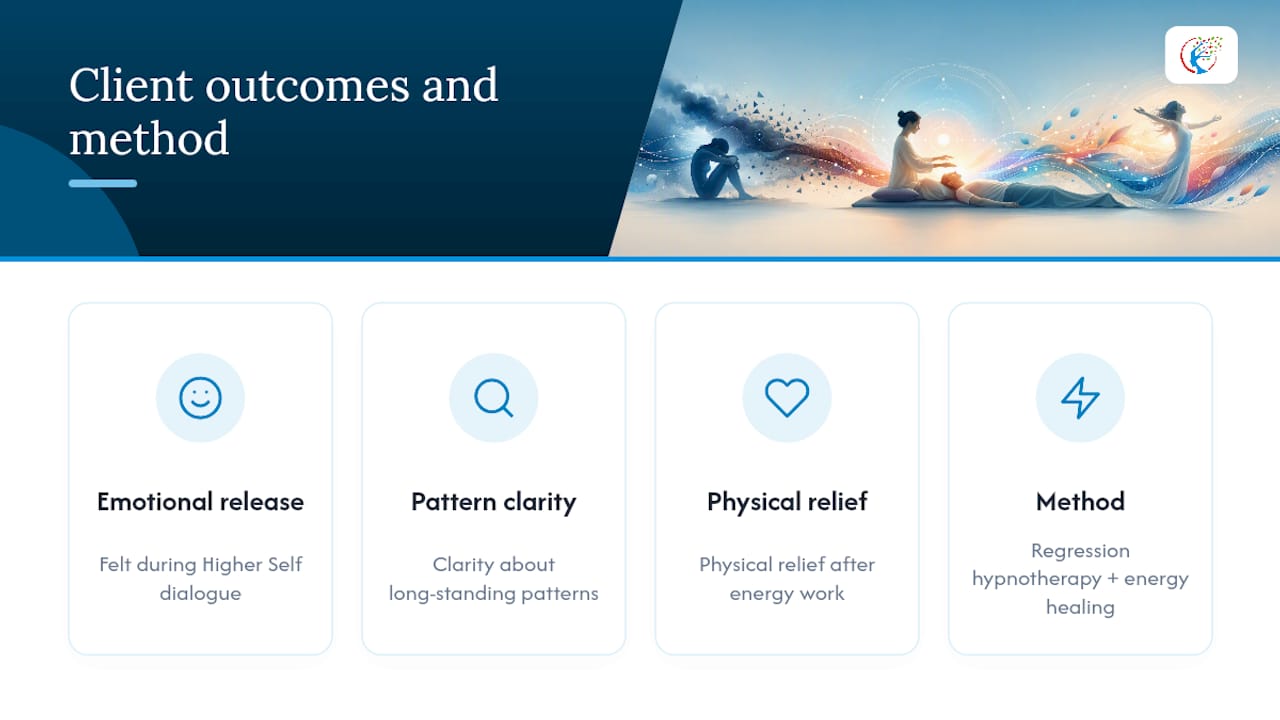
Clients who’ve worked with Paul describe recurring themes: a felt sense of emotional release during the Higher Self dialogue, unexpected clarity about long-standing patterns, and in some cases physical relief they attribute to the energy work portion of the session. Paul combines regression hypnotherapy with energy healing in every session, building a calm, unhurried space specifically because trauma work doesn’t respond well to being rushed. Certifications, client testimonials and further case detail are available directly through his practice pages for readers who want to see the fuller picture before booking.
Why combining regression and energy work matters
My focus has always been on what happens after the insight, not just the insight itself. Trance work on its own can surface a root cause brilliantly and still leave a client stuck, because naming a wound isn’t the same as releasing it. Layering Reiki, chakra clearing or cord cutting into that same session gives the body and energy field something to do with what the mind just uncovered. That pairing is why sessions tend to land differently than hypnotherapy or energy work alone. If any of this feels familiar to where you are right now, a conversation before booking costs you nothing.
— Paul
Ready to book your session with Paul
If you’ve read this far, you already have a sense of whether this approach fits. Paul offers in-person sessions from his Orpington and Bromley practice, remote sessions for the hypnosis and dialogue work, and a mobile option for clients who need it, so you can pick the format that actually suits your life rather than forcing yourself into one.
Booking starts with a short intake conversation covering your history and intentions, the same safety screening described earlier in this article. Sessions run three to five hours, include a full recording for later replay, and fees are confirmed before you commit, no surprises on the day. Everything covered above on pacing, consent and grounding is standard practice here, not an add-on. If you’re ready to move forward, book your QHHT session directly, or read the QHHT FAQ first if you still have questions about what to expect.
Sources
For a fuller technical breakdown of the method itself, the QHHT explainer from Bodhi Holistic Hub is a solid starting point, alongside this overview of hypnosis for trauma from a practising hypnotherapist. If grounding between sessions is on your mind, Paul’s own guide to empath energy protection is worth bookmarking.
This article is general information, not a substitute for advice from a qualified doctor. Consult a qualified healthcare professional about your own circumstances before acting on anything here.
Recommended
Comments